



















The incorporation of motherhood as a theme in cultural and literary discourse does not respond to fashion but to a need. This was stated by different authors in a recent report published in Mamas & Papas about the supposed boom in literature on motherhood.
With the intention of continuing to add titles with which to approach such a complex and universal issue, we offer a compilation of eight books published in recent months, which can be a wonderful gift to include in the letter to the Three Wise Men.
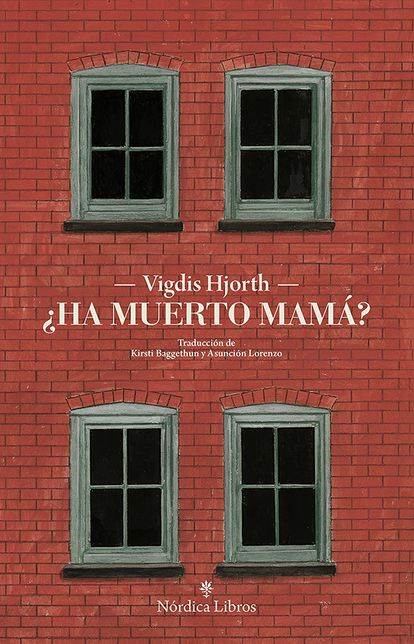
‘Has mom died?’ (Norse)
Disowned by her family after abandoning her husband and her career to start a new life in the United States with her art teacher, Johanna, already a mother and an established artist, returns three decades later to her native Norwegian city to prepare a retrospective exhibition of his career. There, while trying with little success to create a new work that will serve as the centerpiece of the exhibition, the artist will have to face a past marked by the figure of an authoritarian father —now deceased— and a mother and sister who refuse to see her. . An almost sick obsession with meeting her mother that the writer Vigdis Hjorth masterfully narrates, in a first-person monologue that mixes memories and present reflections, sanity and delirium.
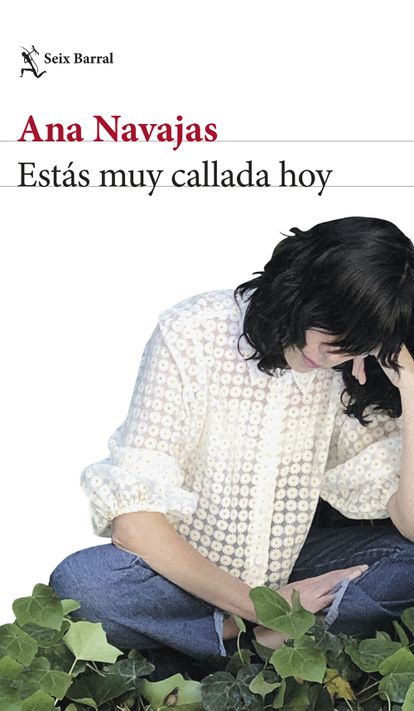
‘You are very quiet today’ (Seix Barral)
In 2019, this title was the novel debut of the Buenos Aires writer Ana Navajas. Now, Seix Barral publishes in Spain this story, sometimes light and sometimes deep, made through memories and small flashes of everyday life. From them, skilfully mixing biography and fiction, the Argentine author, like a kaleidoscope, tells herself from different prisms. Above all, she does it as a mother and housewife with literary concerns (present), and as the daughter (past) of a dead mother who, however, Navajas turns into the omnipresent protagonist of the novel.
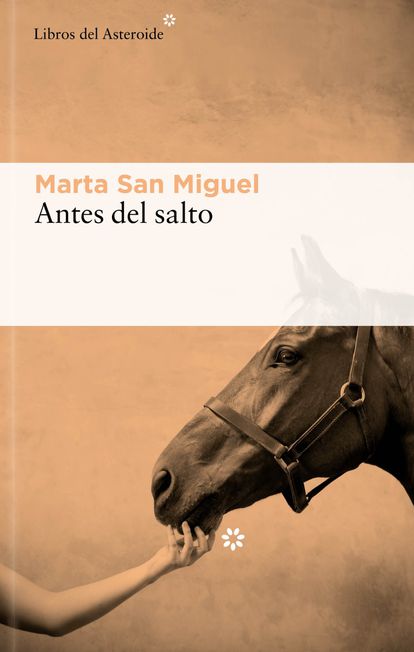
‘Before the jump’ (Asteroid Books)
When she undertakes a move to Lisbon, the writer Marta San Miguel realizes that she has forgotten to include the photo of ‘Quessant’, the horse she rode during her childhood, among her luggage. That photo plays a central role in ‘Before the jump’, a highly personal novel that makes the reader wonder where she looks and what she grabs hold of before each of the leaps she takes in her life. In addition, she invites us to look towards the margins of the photos, towards those things, people and sensations that remain outside the frame and, over time, also outside our imagination. Maternity and ‘daughterhood’ share the leading role in this emotional and poetic novel with memories and memory, which take advantage of the work stoppage that her transfer to Lisbon meant for the journalist to make her way through her teeth in the middle of her new Portuguese reality .
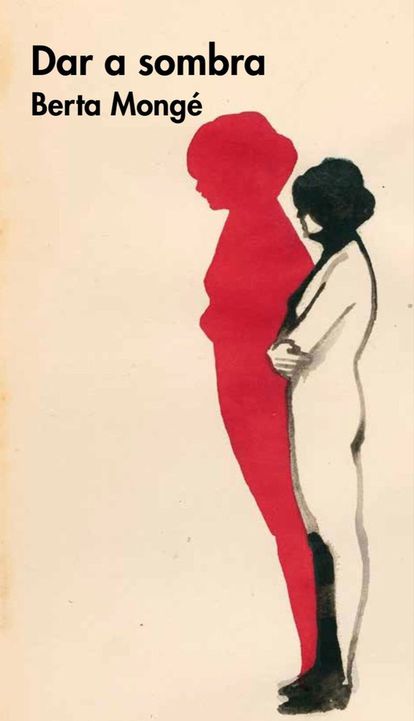
‘Give shade’ (Malpaso)
Berta Mongé’s search for motherhood is reflected in the pages of ‘Dar a sombra’, a fragmentary book in which the exhaustion and hopelessness of those who want to be a mother coexist but the children do not arrive. “You prick my hormones like when you make love to me: firmly, tenderly, with the light on. We will understand that this is not what we thought or what we were told. Now you don’t know if luck exists or if it ends. You will understand that wanting is not power, ”she writes. Mongé speaks from her own experience, but her experience is also collective: that of those women who, when the time comes to want or be able to be mothers, find themselves face to face with the monster of assisted reproduction.
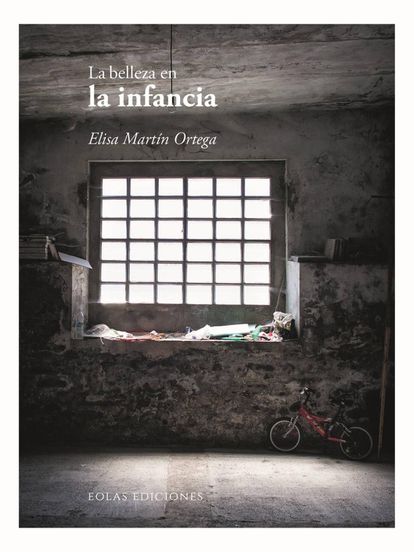
‘Beauty in childhood’ (Eolas Ediciones)
The beautiful writing of Elisa Martín Ortega does justice to the title of this title. This is a book tribute of a childhood lover to the first times, to the arrival of language and thought, to the intensity of the first vital experiences, to love and respect as the only possible support. In little more than 100 pages we find sharp reflections on childhood, that stage of life that we want to leave as soon as possible, but that in reality always remains with us in the form of nostalgia, silences and images. In ‘La belleza en la infancia’ there is no academic language, but there is a philosophical background that Elisa Martín approaches through fables, personal experiences and references to other authors.

‘The family’ (Anagram)
Sara Mesa reintroduces the reader into a suffocating and disturbing space. If in ‘Un amor’ that suffocating space was a small village in emptied Spain, in her new novel that place is occupied by the family, an entity that, beyond idealization, has enormous potential for oppression. This potential is captured and perfectly reflected by the writer in the pages of ‘La familia’, a disturbing choral novel that ‘zooms’ over the cracks of a family that is apparently —and from the outside— perfect, but poisoned by inside by the figure of a father —also perfect from the outside— authoritarian and fanatic of some pedagogical ideals that become a prison for his wife and children.
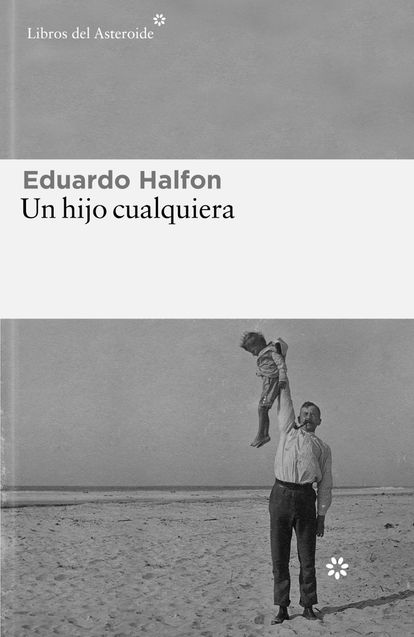
‘An ordinary son’ (Asteroid Books)
The latest book by Eduardo Halfon feeds the great personal novel in installments that the Guatemalan writer began with ‘The Polish Boxer’. Masterfully mixing biography and fiction, ‘An ordinary son’ is also related to the author’s first book, ‘Saturno’. That was the letter from a son to a despotic and absent father, a full-fledged ‘kill the father’. In ‘An ordinary son’, however, the father is Halfon and his paternal experience soaks up some stories through which his favorite themes fly over: identity, uprooting, childhood or death.
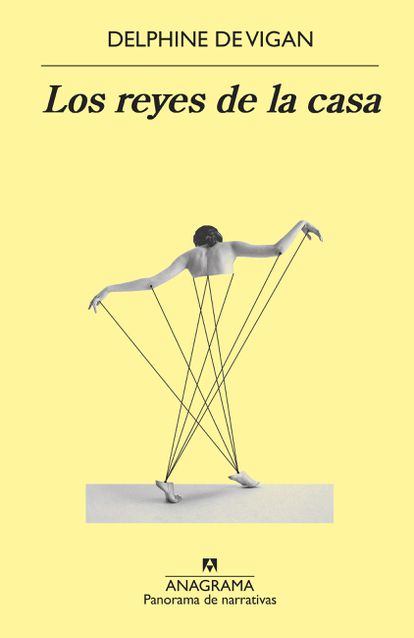
‘The kings of the house’ (Anagram)
The French author Delphine de Vigan shapes a fascinating ‘thriller’ that focuses attention on the overexposure in social networks to which many children are subjected by their parents, in a lucrative business seasoned with filters and emoticons from which brands and viewers are accomplices. An exciting novel about a world, ours, in which privacy is a rare commodity. Sammy and Kimmy, two brothers turned into YouTube stars by her mother, are the unfortunate protagonists of this story with which De Vigan allows us to reflect on this present of exhibitionism and peek into a future to which it is difficult for many minors to arrive unscathed.