























Actress at three years old and one of the greats of cinema at five, few have shone as much in the Hollywood firmament as Shirley Temple (1928-2014), one of the first and greatest child stars in history. However, her history before her cameras was brief and on December 16, 1950, she announced her retirement from the industry that had made her a world icon.
Graced with an angelic appearance, Temple is remembered for her participation in musicals such as “Curly Top” (1935), “Heidi” (1937) and “The Little Princess” (1939) that made her one of the biggest sensations of the decade. of 30. In 1934 the actress made history by being the first to receive a Youth Academy Award.
But his coming of age wasn’t easy, especially when he came under the scrutiny of his legions of fans. Thus, the actress considered that “when I was 14 years old, I was the oldest I have ever been. I haven’t stopped getting younger since then.”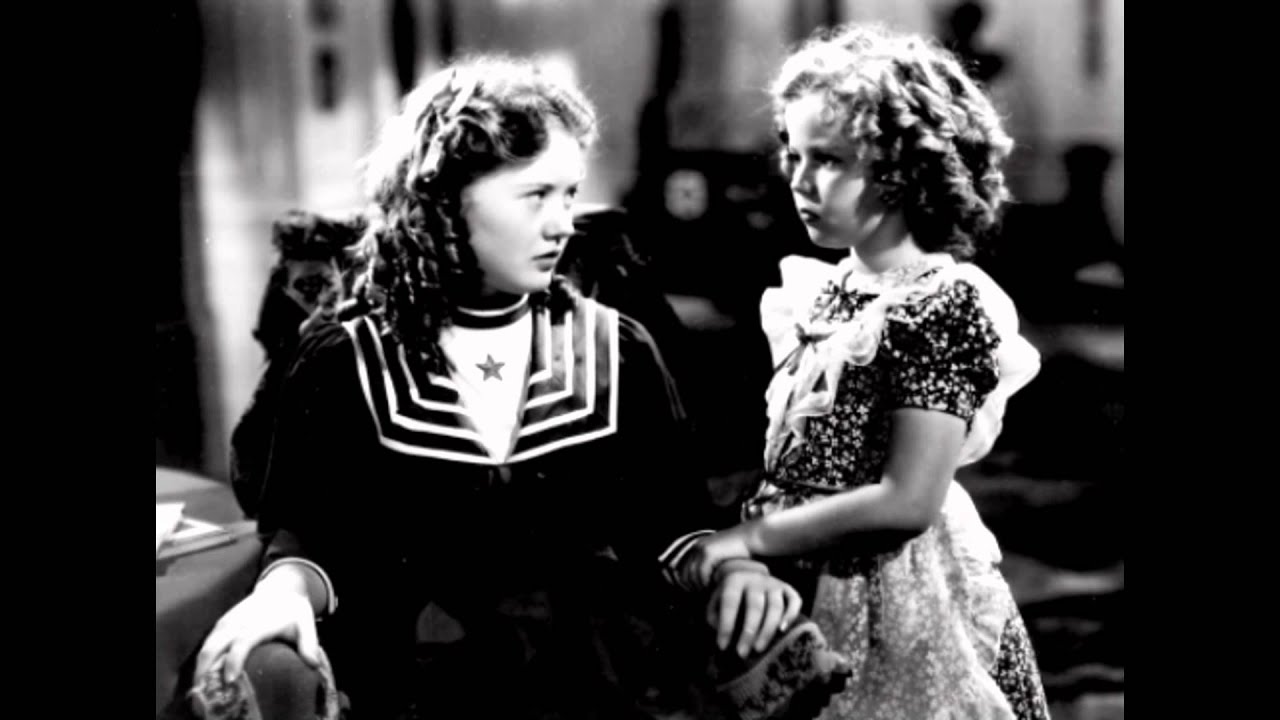 Shirley Temple in a scene from “Heidi” (1937).
Her decision to leave Hollywood wasn’t just out of fatigue from the attention that fame brought him. Despite her former popularity, her transition to adolescence was not easy and the quality of the roles she was offered dropped after the ones she participated in failed to attract the attention of yesteryear. Her last film role was the romantic comedy “A Kiss for Corliss” (1949).
The year 1950 was a time of change for the young actress, who, in addition to announcing her retirement from the cinema, also married Charles A. Black, adopting the name Shirley Temple Black. With the start of the Korean War, the couple had to move to Washington DC where Charles was assigned a role in the Pentagon as part of the Navy.
“We lived in Washington DC for two and a half years. During that time I had the privilege of knowing several people connected with the Eisenhower administration, “he said in dialogue with the military newspaper Star and Stripes in 1968. “And as happens to everyone who lives in Washington, you get involved in politics. You want to know more, do more.” As part of her political work, she collaborated with organizations such as the League of Women Voters, as well as helped in the campaigns of Republican politicians.
Another reason why Shirley Temple had an affinity for politics was its similarity to what Hollywood had already experienced, reflecting at one point that “in the world of movie stars the distance between popularity and politics is very small. ”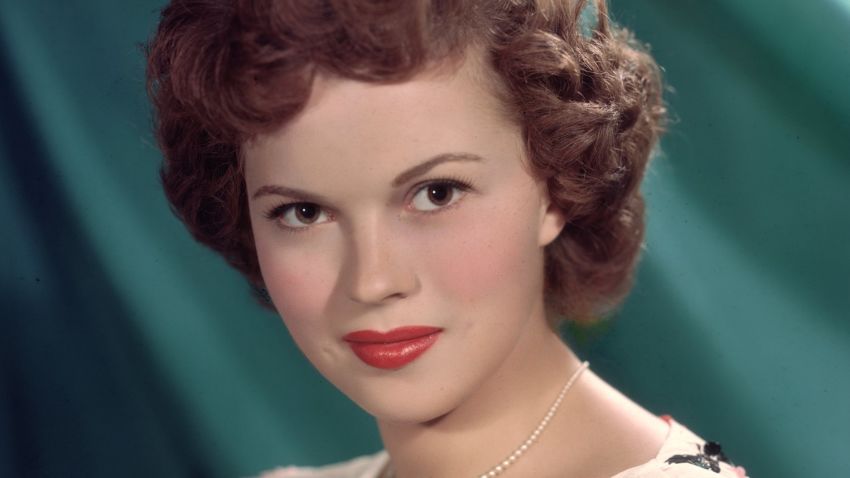 But the actress was not yet ready to leave show business and between 1958 and 1961 she hosted a television program called “Shirley Temple’s Storybook” in which some of the most popular children’s stories were shown.
In the 1960s there was another change for the family, which decided to move to California. The unexpected death of Congressman J. Arthur Younger in 1967 gave Temple the opportunity to become even more involved in politics by running for capitol, though she was ultimately beaten by Pete McCloskey.
But her unsuccessful campaign raised Temple’s profile enough that then-President Richard Nixon invited her to join the US delegation to the United Nations General Assembly in 1969, a role she served until 1970.
Despite being diagnosed with breast cancer in 1972, Temple continued to be strong in her political roles. Between 1974 and 1976 she was appointed Ambassador of Ghana by President Gerald Ford, for whom she was White House Chief of Protocol between 1976 and 1977.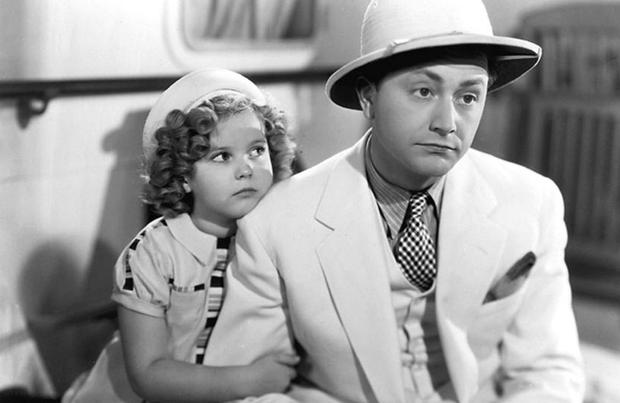 Shirley Temple was the highest-grossing attraction in American cinema from 1935 to 1938, a mark that no other child star has achieved anywhere near. Here in the 1936 film Stowaway.
In 1981 she used her experience in Ghana to become a member of the US Delegation for African Refugee Problems and in 1989 she was a privileged witness to the Velvet Revolution in Czechoslovakia in her role as US ambassador.
In recognition of these works, as well as other organizational roles, Temple was awarded the Kennedy Center Honors, the highest honor bestowed on an artist by the US government.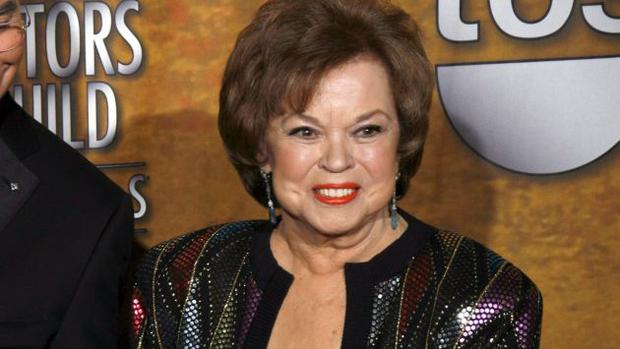 Shirley Temple was honored with the Screen Actors Guild Honor Award for her long and varied career in 2006.
Meanwhile, in 2006 she was commemorated with the Screen Actors Guild Honor Award for her long and varied career. In her speech, she noted the different roles she had to live: “I have been blessed with three wonderful careers-movies and television, wife, mother and grandmother, and diplomatic services for the United States government. I have a recommendation for those who want to receive the Honor Award. Start early.”